Neat cubes in a warm South African home kitchen begin with patience. Follow the complete rose Turkish delight recipe and allow the tin to set for at least six hours or overnight. If the centre is still very soft, even a sharp knife will pull and flatten the edges.
Cut without a sticky mess
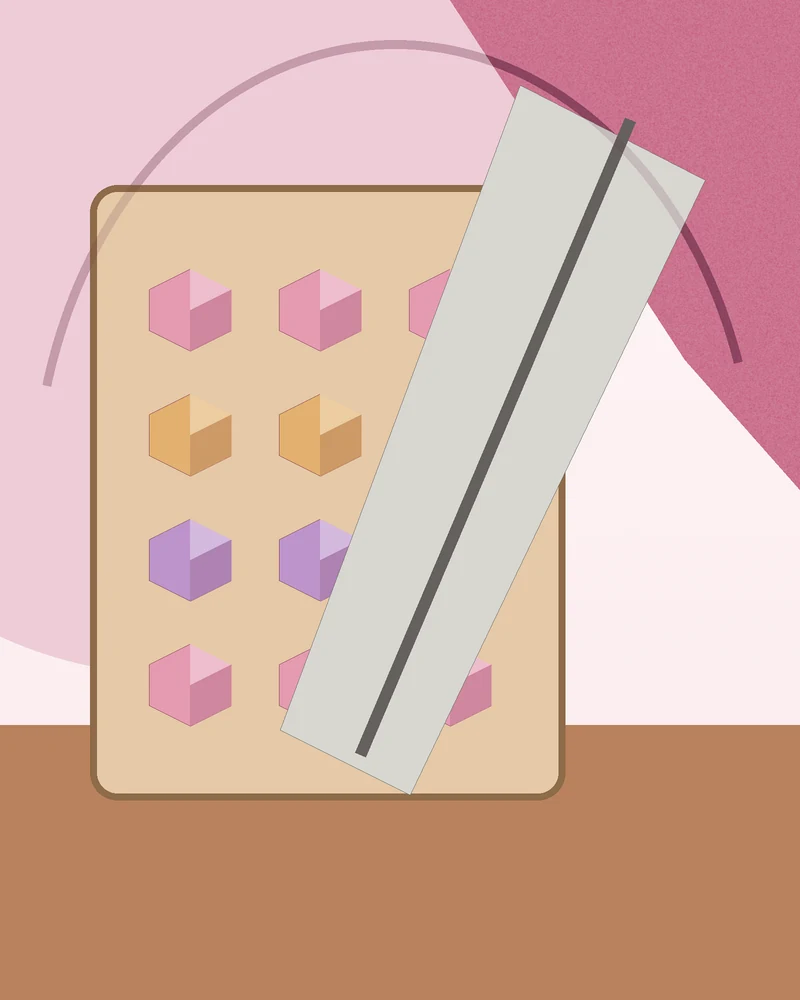
- Dust a thin layer of coating mixture over the work surface before turning out the slab.
- Use a long, sharp knife very lightly coated with neutral oil.
- Press straight down rather than sawing back and forth; wipe and oil the blade again when it begins to stick.
- Coat every newly cut surface immediately in the cornflour-and-icing-sugar mixture.
Coat and pack the cubes
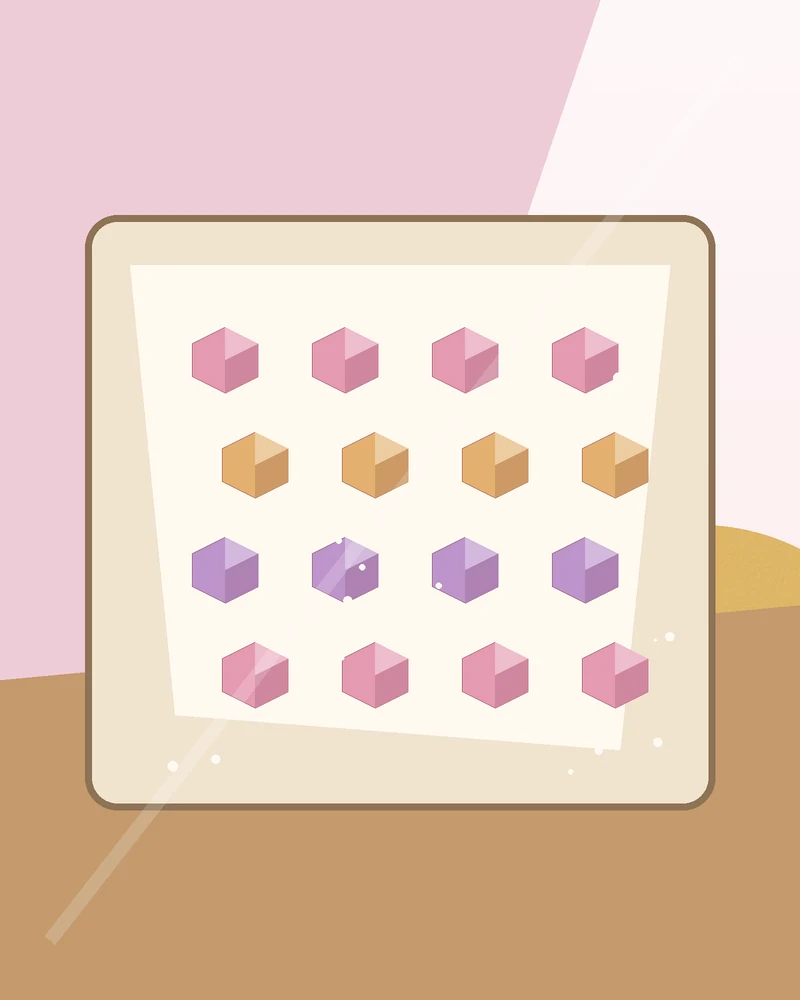
Mix the cornflour and icing sugar in advance and use enough that no pink cut surface remains exposed. Shake off the excess gently. Leave the cubes apart for a few minutes before packing them in layers; this prevents the fresh surfaces from pulling against one another.
Store them this way
- Pack the cubes between layers of baking paper in an airtight container.
- Keep them in a cool, dry place for up to about seven days.
- Use the refrigerator only in very hot weather and bring the sweets to room temperature before serving.
- Dust damp cubes lightly again in the dry coating mixture.
Frequently asked questions
Can Turkish delight be frozen?
Freezing may make the soft gel structure and coating watery as they thaw. Rather make a smaller batch that can be used within the recommended storage period.
Why place baking paper between the layers?
It prevents pressure and remaining moisture from sticking the cubes together and helps keep the coating in place.