Recipe facts and complete ingredients
Yield: 1 large baking-tray flatbread, about 8 servings. Preparation: 20 minutes. Rising time: 45–60 minutes. Baking time: 20–25 minutes. Total time: up to about 1 hour 45 minutes. Use a large lined baking tray and preheat the oven to 200 °C in good time.
Ingredients: 3 cups cake flour; 1 sachet (7 g) instant yeast; 1 teaspoon salt; 1 teaspoon sugar; 2 tablespoons cooking oil, plus extra for brushing; about 1 cup (250 ml) lukewarm water; 1 medium tomato; ½ red onion; ½ pepper; ½ cup sweetcorn kernels; ½ small baby marrow; ½ cup spinach; 2 tablespoons chopped parsley, thyme or rosemary; salt and pepper; and optionally ½ cup grated cheddar cheese.
1. Make the dough
Mix 3 cups cake flour, 1 sachet (7 g) instant yeast, 1 teaspoon salt and 1 teaspoon sugar. Slowly add 2 tablespoons cooking oil and about 1 cup (250 ml) lukewarm water. Mix and knead for 6–8 minutes until the dough is soft and smooth. Add only a little extra flour or water if needed.
2. Let it rise
Place the dough in a lightly oiled bowl, cover it and leave it in a warm place for 45–60 minutes, or until doubled. Preheat the oven to 200 °C towards the end of the rising time. Then press the dough onto a lined baking tray until about 1.5 cm thick.

3. Choose familiar vegetables
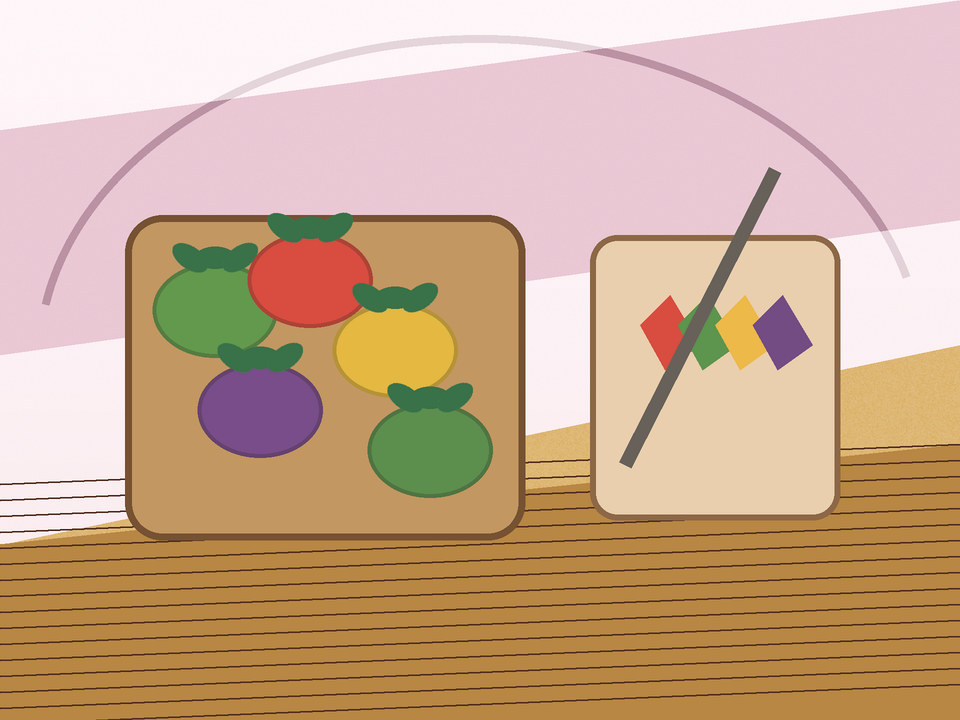
Use ingredients often found in a South African kitchen: tomatoes, onions, green or red peppers, sweetcorn, baby marrow and spinach. Wash and dry everything well. Slice the vegetables thinly so they cook with the bread, and do not overload the dough with very wet or excessive toppings.
4. Build a vegetable garden
Brush the dough with a little oil. Arrange the vegetables as simple flowers, leaves or rows. Sprinkle with salt, pepper and chopped parsley, thyme or rosemary. A small handful of grated cheddar is optional.
5. Bake and serve
Bake for 20–25 minutes at 200 °C until the bread is golden. Carefully lift one corner with a spatula: the underside should be dry and light golden, not pale and damp. Serve it with soup, a farm-style salad, cottage cheese or tomato-and-onion relish. Cool leftovers promptly, refrigerate them in an airtight container and use them within 3 days. Reheat only once until piping hot.
Try it today
Choose three vegetables already in your fridge or garden and make one simple pattern. Share the arranging with a grandchild, neighbour or friend. In this way, ordinary ingredients, good stewardship and time together become part of the same table.
South African home-cooking context
This is a modern farm-style use of simple yeast dough, not a claim to one historic regional recipe. The general advice works in home kitchens across South Africa; a province or city should appear in a future guide only when local ingredients or a genuinely different tradition changes the method. Last editorial review: 26 July 2026.