1. Choose the right container
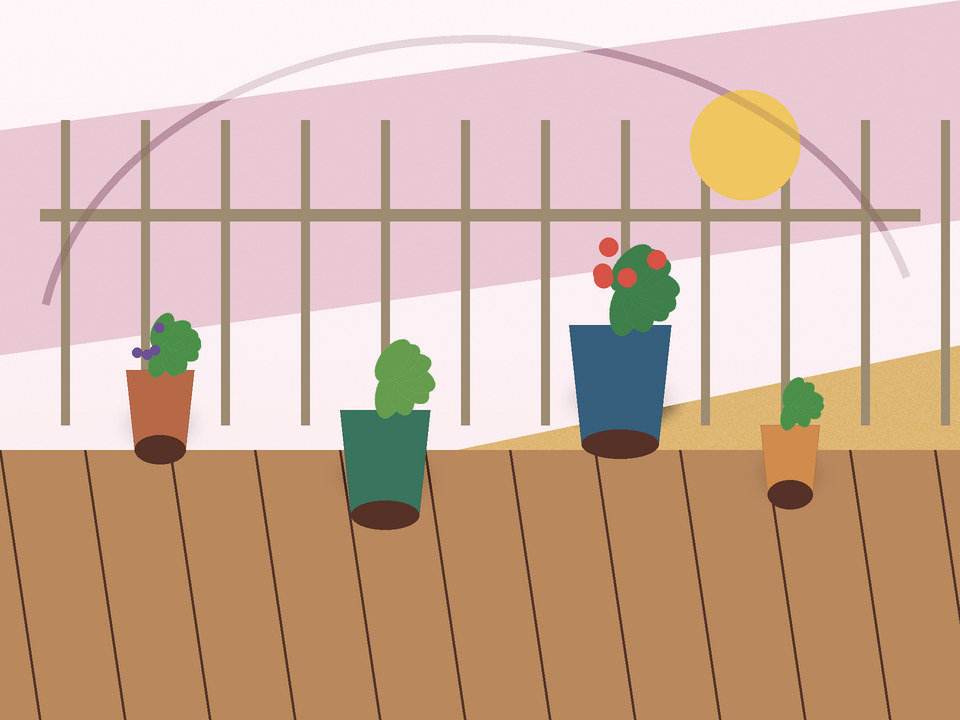
Leafy vegetables and herbs grow in containers about 20 cm deep. Give a cherry tomato or pepper a pot at least 40–45 cm deep and wide. Every container needs drainage holes. Place heavy pots on a stable trolley before filling them.
2. Fill it with a good growing mix
Mix mature compost through good-quality potting mix. Garden soil alone can compact. Leave a few centimetres below the rim for watering and cover the surface with clean straw or fine mulch to retain moisture.
3. Plant for the sun and season
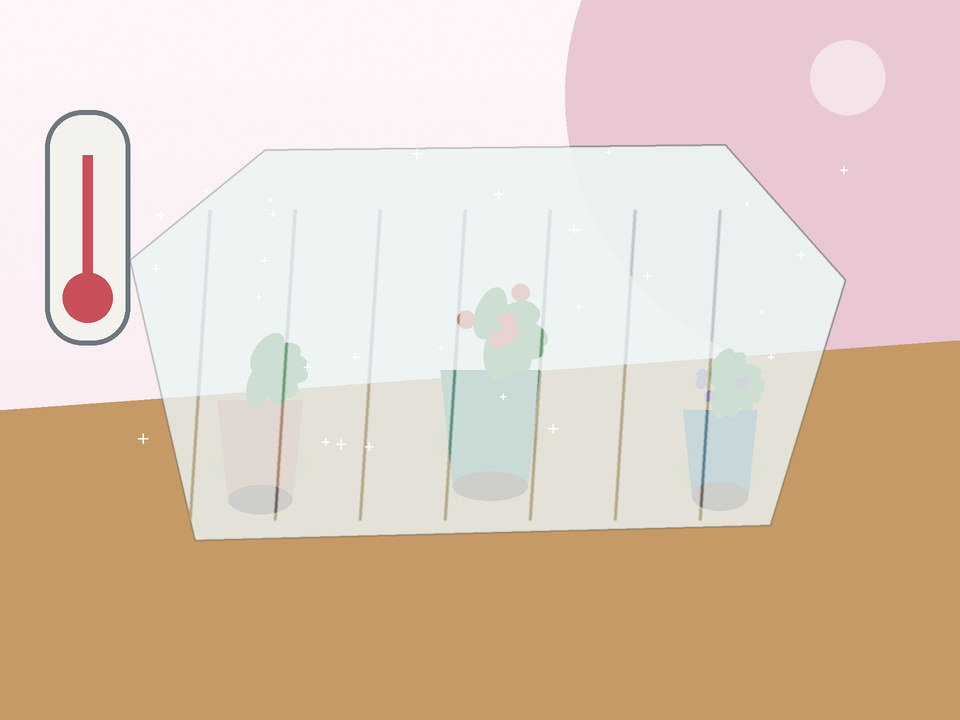
Tomatoes and peppers need six to eight hours of sun; lettuce, spinach and herbs manage lighter morning sun. Potchefstroom’s severe frost can damage even young leafy crops. Cover containers with breathable frost cloth or move them to shelter at night. Plant tender summer crops only when the cold risk on your own property has eased; a Potchefstroom date does not automatically apply to every North West or Highveld town.

4. Water small spaces wisely
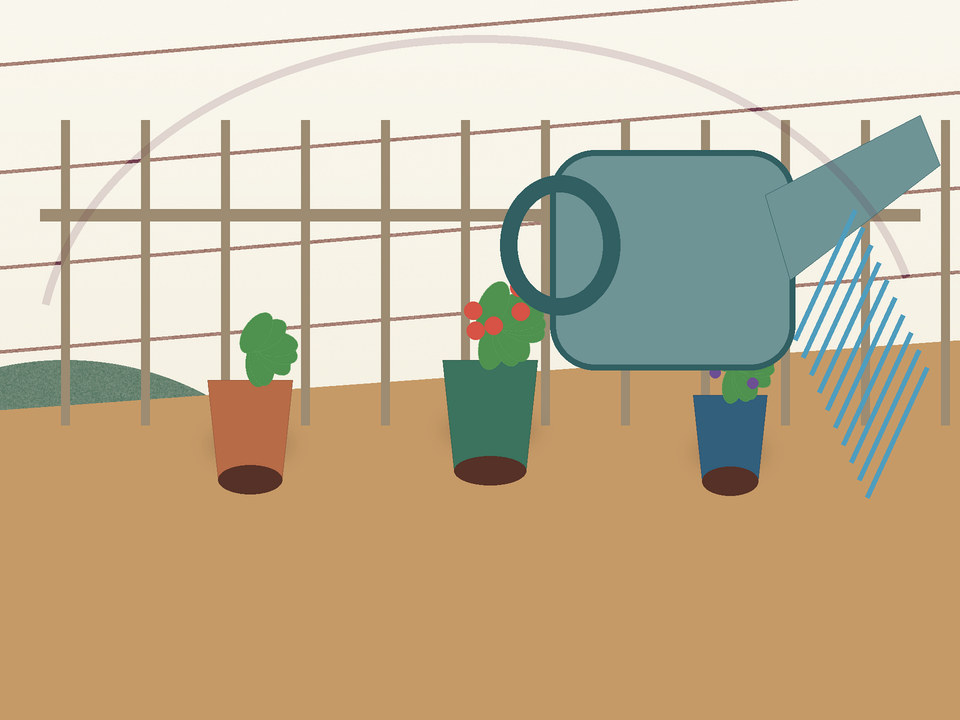
Containers dry faster than garden beds. Push a finger 2–3 cm into the mix and water when it feels dry. Water slowly until a little drains from the bottom, then empty full saucers. Check daily in hot Highveld wind. Because rainfall varies across North West, one province-wide schedule is unreliable. In winter, water on a warmer morning, but never while the mix is still moist.
5. Harvest often and keep it simple
Pick outer lettuce and spinach leaves so the centre keeps growing. Tie tomatoes to a firm support and inspect beneath leaves for pests each week. Three simple containers can already brighten several meals.
Try it today
Choose a container at least 30 cm wide with drainage holes. Fill it with potting mix and compost, then plant something you will use this week. Place it where you will see and care for it every day.
Sources
Gardening guidance checked against North-West University’s Potchefstroom climate and frost advice, the Agricultural Research Council’s summer and winter vegetable production guides, and the North West Biodiversity Sector Plan’s provincial climate context. Last editorial review: 25 July 2026.