Complete preparation guide
Choose text size
Change the article text to large, larger or largest.
01
Formal requirements
- The target reader is a child aged three to five.
- The story must be between 450 and 500 words long.
- Write the final word count at the end of the story.
- Use Calibri, 12 point, with 1.5 line spacing.
- Print the story on A4 paper or A4 card.
- The writer may choose the theme.
02
Build a child-friendly story
Choose one main character with a simple wish, need or problem. The character should be believable and may have strengths, uncertainties and dreams. Let the main character try something independently, overcome a problem or make a discovery.
Use a clear beginning, middle and ending:
- The beginning quickly introduces the character, setting and small challenge.
- The middle takes the child on an interesting journey with action, repetition or a surprise.
- The ending brings safety, joy or satisfaction and must conclude happily.
03
Language and style
Short, strong sentences work well for preschool listeners. Use familiar words and concrete images. Direct speech brings the characters to life. Repeated phrases, rhyming words and sound imitation can encourage the child to listen or join in. Humour is welcome, provided it remains simple and age-appropriate.
Write from a young child’s world. A small problem such as a lost toy, fear of the dark, a new friend or learning a skill may carry more meaning than a complicated adventure. Fantasy should be used carefully because young children are still learning to distinguish imagination from reality. Superhero stories are not a good choice for this age group, especially where dangerous behaviour could be imitated.
04
Editing
- Read the story aloud and listen for long or difficult sentences.
- Check word order, sentence construction, tense, spelling and punctuation.
- Remove explanations that slow down the action.
- Make sure the dialogue sounds natural.
- Count the words and keep the final version between 450 and 500 words.
- Ask a second person to proofread the clean copy.
05
What the judging focuses on
Language and technique include word order, sentence construction, punctuation, consistent tense and descriptive words. Content and creativity include the setting, imagery, sound imitation, conflict, action, tone, dialogue, surprise, character development and the impact of the ending.
06
Presentation
Attach a small envelope to the back of the written piece. Label it WRITING, followed by the entrant’s name, branch, region and province. Place the written piece in a transparent filing sleeve. Attach the judging card with a sufficiently long piece of crochet thread.
07
Final checklist
- Original story for ages three to five
- 450–500 words with the word count shown
- Calibri 12, 1.5 spacing, A4
- Clear beginning, middle and happy ending
- Age-appropriate language, humour and conflict
- Language editing completed thoroughly
- Correctly packed and labelled
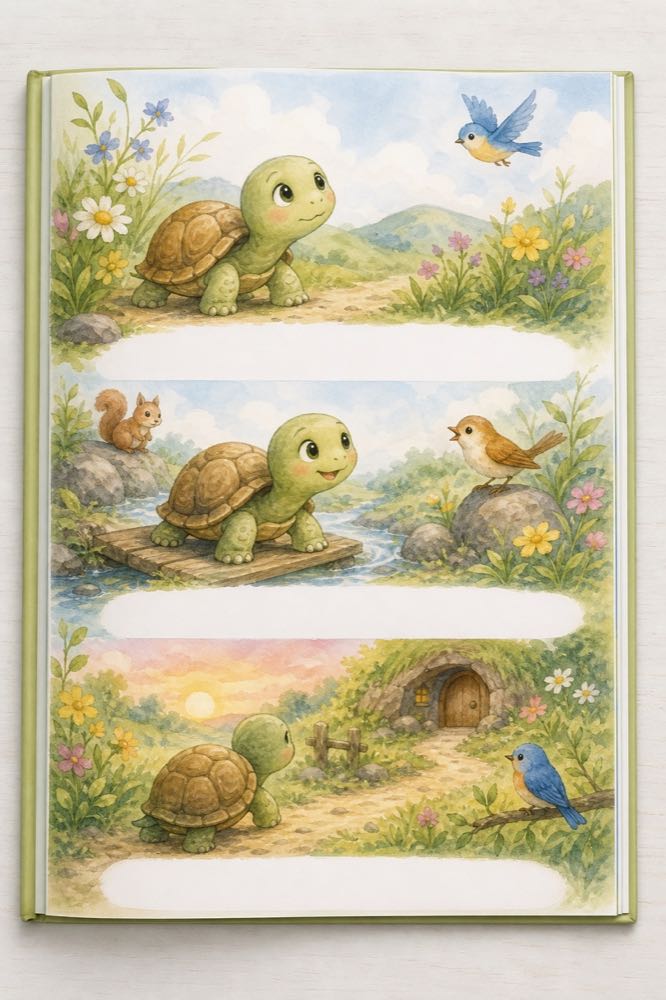
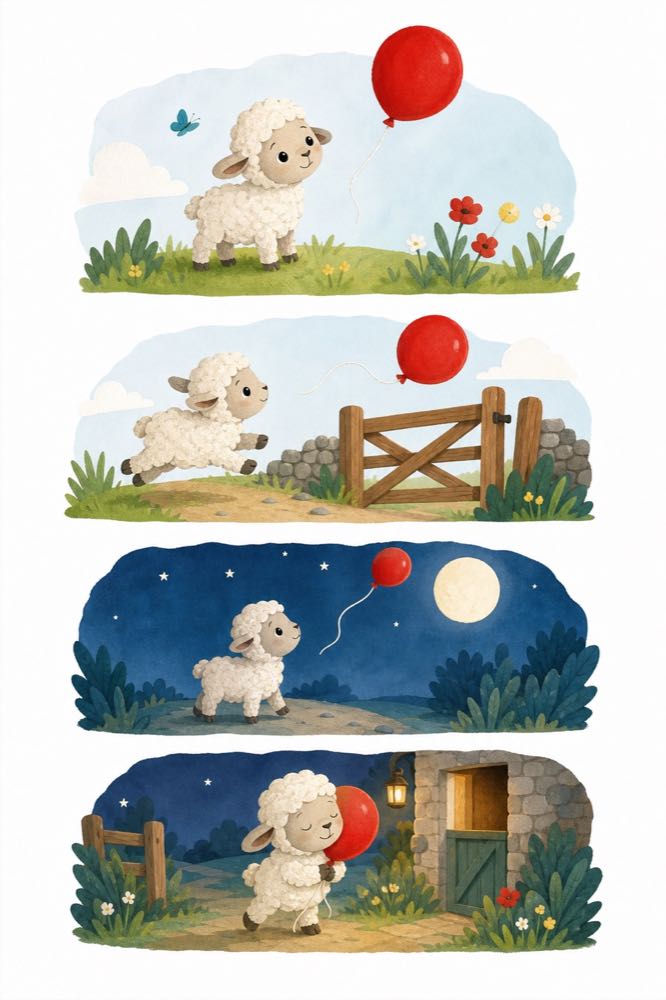
Two portrait-format examples
Writing
Use these original examples as inspiration for layout, colour and presentation—not as patterns to copy exactly.