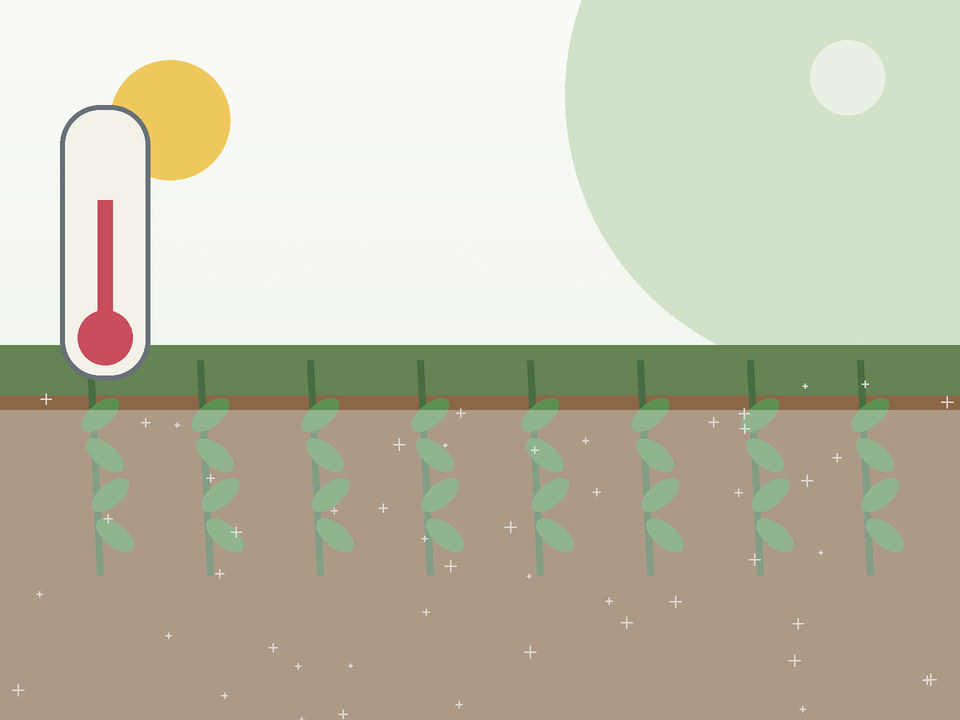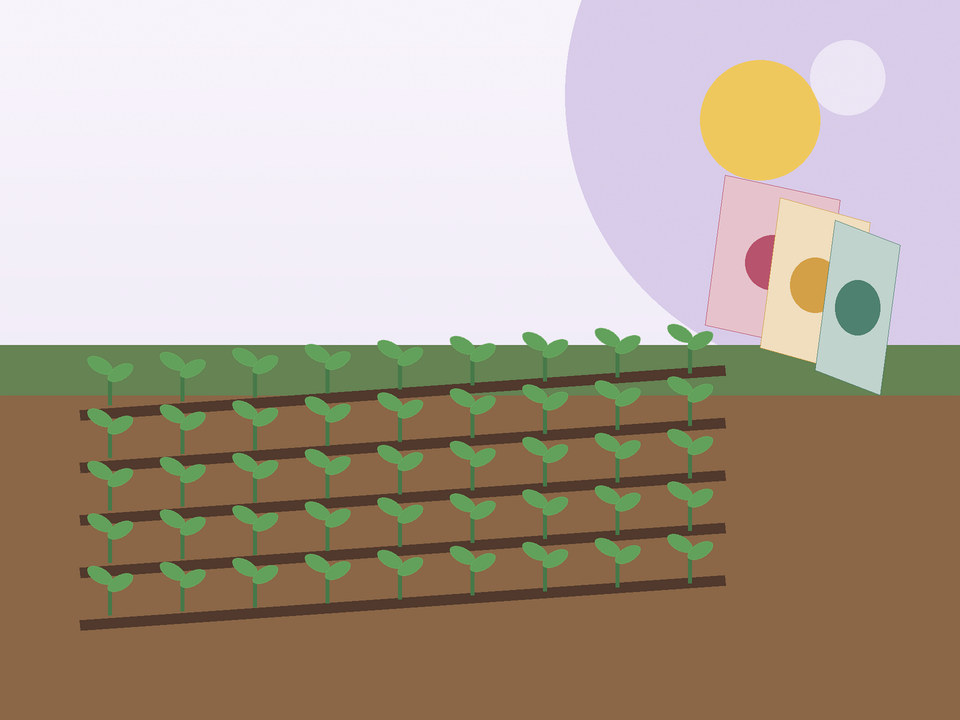
Spring in Potchefstroom does not always begin on one fixed planting date. The NWU Botanical Garden climate profile describes cold, dry winters with frequent frost and warm summers with thunderstorms, with average annual rainfall of about 767 mm at the garden. Use that local foundation, but still work in stages: begin with hardy choices, keep tender seedlings sheltered and move to summer crops as the cold risk eases.
A simple three-stage planting plan
Plant for conditions, not only the calendar
- Early spring: radishes, beetroot, carrots, lettuce, spinach, parsley and coriander.
- After the final cold spells: beans, tomatoes, sweet peppers, cucumbers, courgettes and pumpkins.
- For colour and pollinators: marigolds, gazanias, vygies and other sun lovers suited to your bed.
- In pots: basil and tender herbs that can easily be moved into shelter at night.
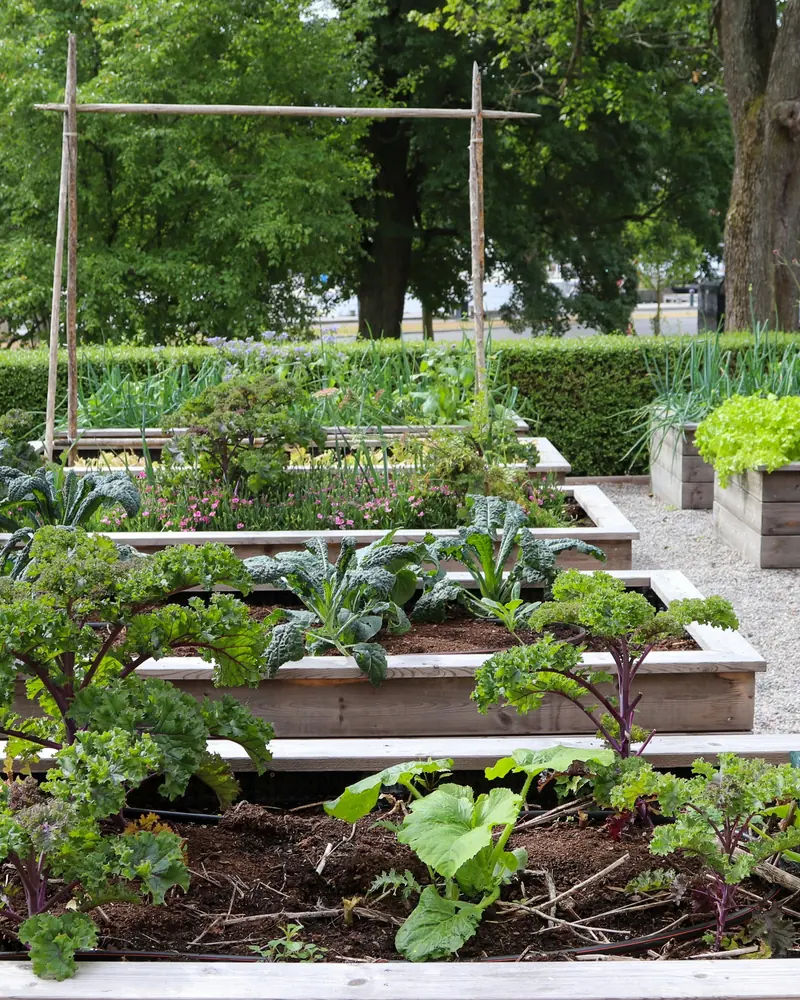
Choose the next step for your garden
- Decide when it is safe to plant after frost before transplanting tender seedlings.
- Choose vegetables and herbs for September according to space, sunlight and the food you use.
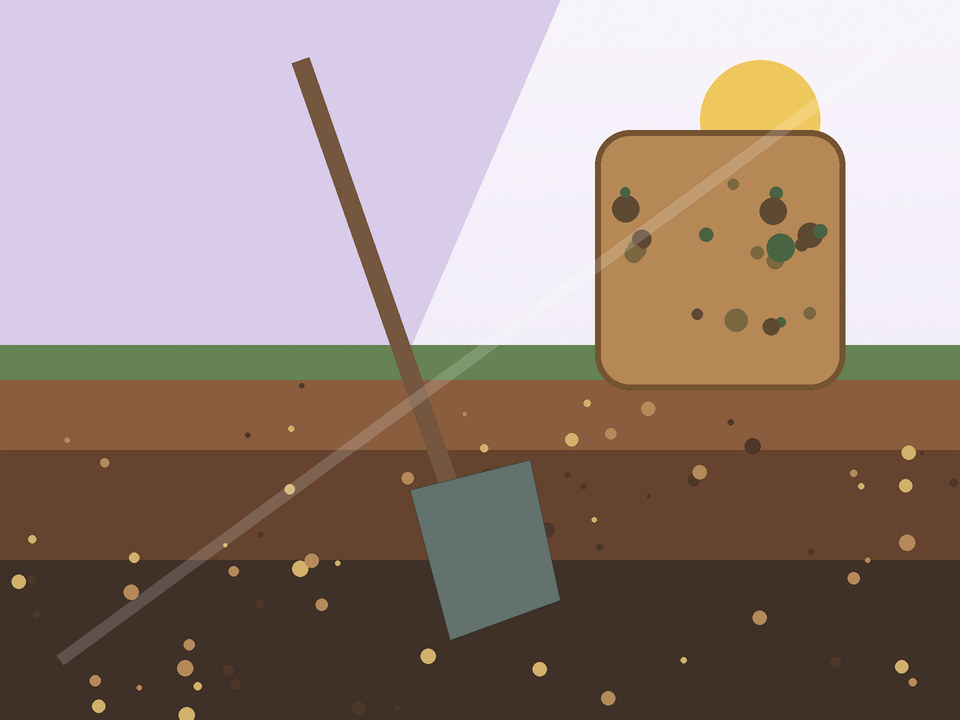
- Prepare dry Highveld soil so that water does not simply run off a hard surface.
Frequently asked questions
Can I begin in August?
Yes, with soil preparation, seed in sheltered containers and hardy vegetables. Wait with frost-sensitive summer crops until the local forecast becomes more favourable.
What is the easiest start for a small property?
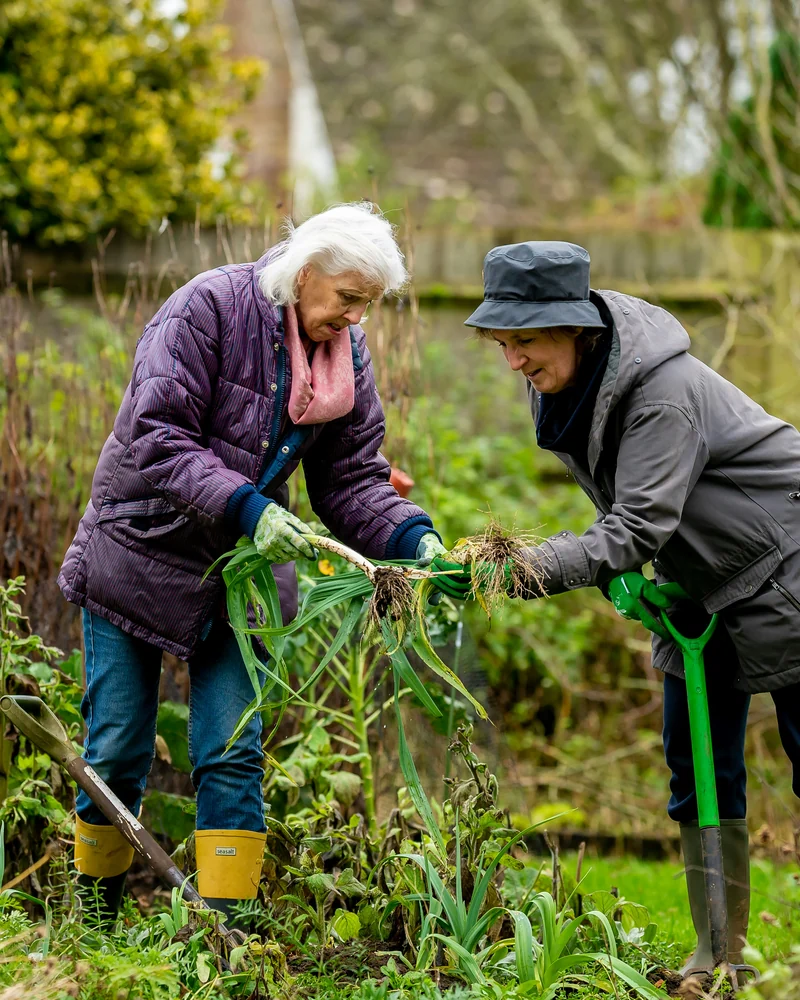
Begin with one sunny bed or three large pots and choose two herbs, one leafy vegetable and one crop that your household eats regularly.